Why Comfort Matters During Funeral Arrangements

When a family begins making arrangements after a loss, even a straightforward question can feel harder than expected. Relatives may need contacting, personal wishes may need considering, and unfamiliar decisions may arrive all at once. Families seeking cremation services in Saskatoon, SK, often need more than information about available choices. They also need a setting where they can ask questions, think carefully, and decide without feeling rushed.
At Cherished Memories Funeral Services & Crematory, Inc., we recognize that comfort during funeral arrangements often comes from small but meaningful actions. A calm conversation, an understandable explanation, and time to consider what feels appropriate can make planning less confusing. We believe families should feel heard while they work through decisions that reflect the person they are remembering.
Comfort Begins With Feeling Heard
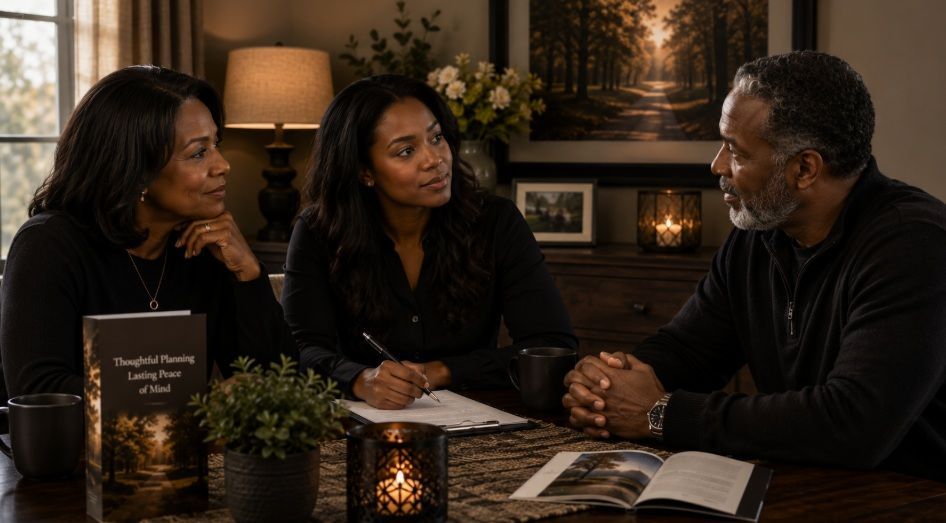
A comfortable arrangement conversation starts with listening. Before families make decisions about the gathering, timing, or personal details, they need an opportunity to explain what matters to them. Careful listening can reveal preferences that might otherwise be missed and keep the planning process centered on the family's actual needs.
Families Need Space to Ask Their Own Questions
People arrive at funeral arrangements with different levels of familiarity. Some have been through the process before, while others have never had to think about these decisions.
Questions that seem simple can carry considerable emotional weight. What happens next? How much needs to be decided today? Can relatives participate in different ways? Giving each question proper attention helps families understand their choices without adding unnecessary pressure.
Listening Helps Identify What Truly Matters
Not every family values the same details. One may care deeply about music and photographs, while another may prefer a quiet gathering centered on conversation and remembrance.
Understanding those priorities early helps keep the planning process focused. It can also prevent families from spending emotional energy on details that do not feel meaningful to them.
Clear Explanations Can Reduce Uncertainty
Funeral terminology and unfamiliar procedures can make an already difficult day feel more complicated. Clear explanations bring structure to the conversation. Rather than expecting families to understand every option immediately, a funeral professional can explain what each choice means and give people room to consider what fits their circumstances.
Breaking Arrangements Into Manageable Decisions
Trying to settle every detail at once can be exhausting. It is often more manageable to consider arrangements in stages, beginning with the decisions that need attention first.
Understanding funeral service choices available to grieving families can provide a useful starting point. Once the broader direction is clear, families can focus on personal details without feeling like every decision is competing for attention at the same time.
Plain Language Makes Conversations Easier
Professional knowledge is most useful when it's easy to understand. Funeral directors should be able to explain options in everyday language rather than relying on terminology that leaves families with more questions.
That clarity also gives relatives a shared understanding of what was discussed, which can make later family conversations easier.
A Calm Planning Process Leaves Room for Meaning
Comfort does not mean avoiding difficult emotions. It means creating enough breathing room for families to think about the person behind the arrangements. When practical decisions are organized clearly, attention can return to memories, relationships, traditions, and the details that make a farewell personal.
Personal Details Do Not Need to Be Elaborate
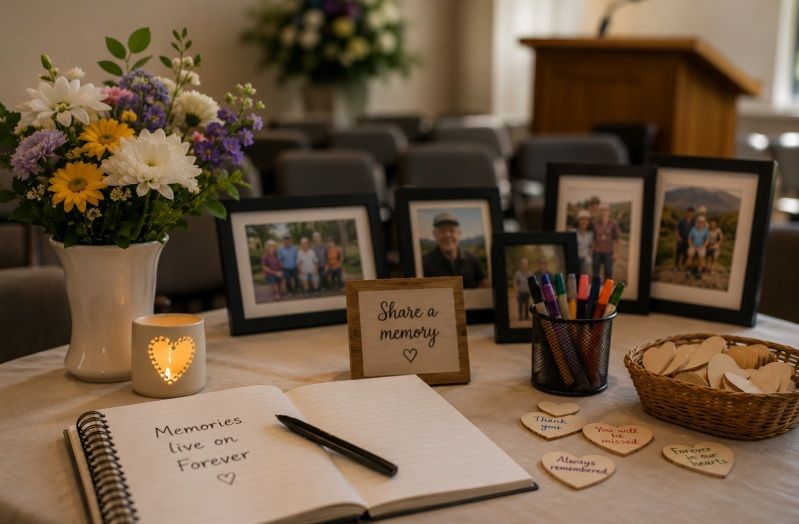
Meaningful choices can be remarkably simple. A familiar song, a photograph that captures someone's personality, a treasured story, or a family tradition may say more than an elaborate addition chosen simply because it seems expected.
Families considering a calmer approach to planning a funeral may benefit from focusing first on what feels authentic. That question can serve as a useful filter when too many possibilities compete for attention.
Family Members May Need Different Things
One person may want to talk through every detail, while another may need time before offering an opinion. Those differences are normal within families and do not necessarily signal disagreement.
A patient arrangement process allows people to contribute in ways that feel manageable. When possible, giving relatives time to consider important choices can lead to decisions that feel more thoughtful and shared.
Practical Guidance Can Protect Emotional Energy
Grief can affect concentration, memory, and the ability to sort through several tasks at once. Without assuming how anyone should feel, funeral professionals can recognize that families may benefit from clearly organized information and repetition when needed.
A useful approach is to separate what needs attention now from what can wait. Families can also keep brief notes about decisions already made, questions they want to revisit, and relatives who should be consulted. Simple organization reduces the need to hold every detail in memory during an emotionally demanding period.
Compassion Should Remain Part of Every Decision
Comfort during arrangements doesn't come from avoiding necessary decisions. It comes from making those decisions in an atmosphere where questions are welcomed, preferences are respected, and families understand what they are choosing. Cherished Memories Funeral Services & Crematory, Inc. aims to provide that kind of steady guidance while keeping each family's wishes at the center of the conversation. Families can also consider why compassionate guidance matters when choosing care as they decide what kind of support feels appropriate. For thoughtful assistance with cremation services in Saskatoon, SK, call (306) 242-7888 and speak with our team about the next steps that matter to your family.